


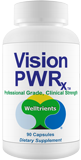
Vision PWRx 60 Capsules
Vision PWRx 60 Capsules
Low stock: 3 left
Couldn't load pickup availability
Vision PWRx includes Lutein, Vitamin C and E, Zeaxathin, and more along with herbs like bilberry extract-which contain bioflavonoids, shown to reduce histamine levels and help remove toxins from the retina. Lutein is commonly regarded as one of the most powerful ocular nutrients and is found within every capsule of Vision PWRx!
Supplement ocular health from dietary deficiencies, aging, toxins, free radical exposure, stress, and sunlight. Vision PWRx™ is a powerful blend of antioxidants and targeted nutrients designed to reduce histamine levels and help remove retina-based toxins.
Share


Frequently Asked Questions about Vision PWRx 60 Capsules
Why Would You Use Vision PWRx 60 Capsules
Vision PWRx is designed to support and protect eye health, particularly in individuals who are experiencing strain from prolonged screen time, aging-related vision issues, or those seeking to maintain optimal eye function. Here are the key reasons to use Vision PWRx:
Combat Eye Fatigue: If you spend long hours in front of screens, Vision PWRx can help alleviate eye strain, reduce dryness, and maintain sharp vision.
Age-Related Vision Support: With ingredients like Lutein, Zeaxanthin, and Bilberry extract, Vision PWRx provides antioxidants that protect your eyes from oxidative damage and help prevent macular degeneration.
Enhanced Night Vision: For those struggling with night vision, ingredients like Bilberry extract and Vitamin A help improve your ability to see in low-light conditions.
Protection from Blue Light: In our modern digital age, the blue light from devices like phones and computers can damage your retina. Vision PWRx helps shield your eyes from this harmful light.
General Eye Health: It’s perfect for individuals looking to proactively support overall eye health and prevent future problems, from cataracts to eye strain.
How Does Vision PWRx 60 Capsules Work?
Vision PWRx combines a synergistic blend of powerful ingredients known to support vision and eye health in several ways:
Antioxidant Protection: Lutein and Zeaxanthin are naturally found in the retina and help filter out harmful blue light. These carotenoids protect the eyes from oxidative stress, which can lead to age-related macular degeneration.
Enhanced Blood Flow: Ingredients like Ginkgo Biloba and Grape Seed Extract support improved blood circulation to the eyes, ensuring the delivery of essential nutrients and oxygen, which is vital for maintaining clear vision.
Eye Moisturizing: Eyebright herb and Turmeric Root Extract work to reduce inflammation and dryness, soothing the eyes and keeping them well-lubricated.
Night Vision Support: Bilberry Extract has been shown to improve night vision by supporting retinal function and reducing visual fatigue in low-light environments.
Nutrient Supply: Vitamin A, Zinc, and Copper work together to maintain eye function, prevent vision loss, and keep the retina healthy.
Improved Macular Health: Lutein, Zeaxanthin, and Astaxanthin concentrate in the macula and help maintain clarity and focus, protecting against macular degeneration.
Directions for Use For Vision PWRx 60 Capsules
For optimal results, take 1-2 capsules of Vision PWRx daily with a meal. If you are under medical supervision, consult with your healthcare provider before use. It is important to maintain consistent use of Vision PWRx for several weeks to experience the full benefits for your eye health.
Ingredients For Vision PWRx 60 Capsules
| Ingredient | Amount | % Daily Value |
|---|---|---|
| Vitamin A (from beta carotene) | 2,500 iu | 50% |
| Vitamin C (from acerola, magnesium ascorbate) | 100 mg | 167% |
| Zinc (Monomethionine) | 5 mg | 33% |
| Copper (Glycinate Chelate) | 0.5 mg | 25% |
| Magnesium (from Magnesium Ascorbate) | 11 mg | 3% |
| Grape Seed Extract [95% proanthocyanidins] | 180 mg | * |
| Acerola Berry Extract (Malpighia emarginata) | 132 mg | * |
| Quercetin | 50 mg | * |
| Alpha Lipoic Acid | 50 mg | * |
| Ginkgo Biloba Leaf Extract (24% flavonglycosides/6% terpelactones) | 40 mg | * |
| Eyebright Herb Powder (Euphrasia officinalis) | 40 mg | * |
| Resveratrol from Japanese Knotweed | 40 mg | * |
| Bilberry Fruit Extract [25% anthocyanidins] | 30 mg | * |
| L-Glutathione (Reduced) | 20 mg | * |
| Turmeric Root Extract (95% curcuminoids) | 10 mg | * |
| Milk Thistle Seed Extract (80% silymarin) | 10 mg | * |
| Lycopene | 6 mg | * |
| Lutein | 6 mg | * |
| Astaxanthin | 6 mg | * |
| Zeaxanthin | 1,500 µg | * |
| Long Pepper Extract (Piper Longum) | 0.5 mg | * |
Vitamin A(from beta carotene) A fat-soluble vitamin essential to one's health. Vitamin A plays an important part in the growth and repair of body tissue, protects epithelial tissue, helps maintain the skin and is necessary for night vision. Vitamin A is necessary for normal growth and formation of bones and teeth. For Vitamin A translates 1mg = 833 IU.
Vitamin C(from acerola, magnesium ascorbate) Vitamin C as an ascorbate is an essential nutrient required for metabolic reactions. Vitamin C is an effective antioxidant, an ascorbate peroxidase substrate, an enzyme cofactor for the biosynthesis of many biochemicals and an electron donor for enzymes. The active form of vitamin C is the ascorbate ion, a strong reducing agent that gets converted to its oxidized form, L-dehydroascorbate in the body by enzymes and glutathione. It is a weak sugar acid structurally related to glucose, which naturally occurs either attached to a hydrogen ion (ascorbic acid), or to a mineral ion (a mineral ascorbate). The biological half-life for vitamin C is about 30 minutes in blood plasma. In parts of Europe and Asia, vitamin C is considered part of routine treatment for glaucoma. Vitamin C lowers eye pressure through a combination of decreasing fluid production and improving the outflow of aqueous humor. Vitamin C improves collagen metabolism, which may be one of the underlying reasons for the development of glaucoma. Intraocular pressure can be lowered by high doses of vitamin C. The osmotic changes are thought to impact either the outflow or the secretion mechanism to reduce the pressure. Vitamin C may slow the progression of glaucoma (Head KA 2001; Bartlett H et al 2004).The normal healthy lens of the eye contains a higher level of vitamin C that any other organ of the body except the adrenal glands. Studies have shown a decreased level of vitamin C in the aqueous humour as well as in the overall body when cataracts are forming. Vitamin C has also been shown to control sugar imbalances that often play a role in cataract formation. Vitamin C reduces the risk of diabetic retinopathy by inhibiting the accumulation of sorbitol.
Zinc(Monomethionine) Zinc plays a role in many enzymes present in the retina. Zinc is an antioxidant and helps protect cells and blood vessels. A deficiency of zinc is associated with increased incidence of diabetes, and the associated diabetic retinopathy. The second most ocurring essential nutrient is zinc. Zinc is involved in about 3000 different protein complexes in the body.Copper(Glycinate Chelate) Copper is an essential nutrient found primarily in the bloodstream, as a co-factor in various enzymes, and in copper-based body pigments. Zinc and copper compete for absorption in the digestive tract so a dietary 10:1 balance must be maintained to prevent a deficiency.
Magnesium(from Magnesium Ascorbate) Magnesium “Magnesium glycinate” is a, better tolerated and more absorbable, chelated form of the mineral magnesium (Mg). The element magnesium is an essential mineral involved in over 350 biochemical actions in the body. Magnesium relaxes smooth muscle, helps dilate blood vessels and maintains blood flow.Grapeseed extract Contains rich sources of flavonoids (compounds found in plants) called Proanthocyanidins or OPCs that are powerful anti-oxidants, protecting blood vessels from damage. Proanthocyanidins in grape seed extract protect eye tissue from damage and strengthen the walls of all blood vessels and help keep damaged, stretched, or stiff blood vessels from leaking. Research shows that grape seed extract may be effective for slowing retinopathy, the gradual break down of the retinas in the eyes, usually due to blood vessel damage. Individuals with arteriosclerosis (a build up of fatty deposits in the arteries), diabetes, or other conditions that increase the likelihood for damage to the small blood vessels in the eyes are more likely to have serious vision problems as a result of that damage. Grape seed extract may reduce eye stress caused by bright lights. In studies Proanthocyanidins have shown some possible effectiveness in preventing cataract formation. In studies, these extracts produced significant improvement, in healthy eyes, in visual performance in both glare, and darkness. Proanthocyanidins can benefit macular degeneration, diabetic retinopathy and capillary fragility.
Acerolaberry extract(Malpighia emarginata) Malpighia emarginata (Acerola) is a tropical fruit-bearing plant species of shrubs or small trees of the Malpighia genus in the Malpighiaceae family within the phyto-terrestrial order Malpighiales. Acerola fruit is similar to a cherry and is a red color when ripe, and is a rich source of vitamin C.
Quercetin(Quercetin) Citrus bioflavinoids are naturally occurring nutrients usually found in association with Vitamin C. Some symptoms originally thought to be due to Vitamin C deficiency such as bruising due to capillary fragility were found in early studies to be relieved by crude vitamin C extract but not by purified Vitamin C. The bioflavinoids, sometimes called Vitamin P, were found to be the essential component in correcting this bruising tendency and improving the permeability and integrity of the capillary lining. These bioflavinoids include Hesperidin, Citrin, Rutin, Flavones, Flavonals, Calechin, and Quercetin. Also possesses anti-inflammatory and analgesic effects. It is known to help maintain the integrity of the thousands of tiny blood vessels, called capillaries, in the eye.
Quercetin belongs to a class of water-soluble plant pigments called flavonoids. Quercetin acts as an antihistamine and has anti-inflammatory properties. A variety of evidence indicates that quercetin possesses potent antioxidant properties. Quercetin blocks an enzyme that leads to accumulation of sorbitol, which has been linked to nerve, and eye damage in those with diabetes. Quercetin may help prevent immune cells from releasing histamine, the chemical that initiates the itching, sneezing, and swelling of an allergic reaction.
Alpha Lipoic Acid A vitamin-like substance and a potent multifaceted antioxidant that enhances the effect of other anti-oxidants. It helps maintain levels of Glutathione, an important anti-oxidant. It regenerates damaged nerves. Lipoic Acid is a neurological antioxidant that chelates free iron. Lipoic Acid improves mitochondrial function (mitochondria are the energy-producing units of cells). As an anti-oxidant in the eye, Glutathione levels are important in cataract, glaucoma, diabetic retinopathy, and many ageing processes. In Europe it is used to treat complications associated with diabetes such as neuropathy, macular degeneration and cataracts. Cataracts are caused by the degeneration of proteins in the lenses lenses of the eyes. The two principal causes are glycation of proteins and damage from ultraviolet rays of the sun. The lenses of the eyes are not well protected by anti-oxidants in blood. In 1994, Dr. Lester Packer and his group found that Alpha Lipoic Acid increased the levels of glutathione, vitamin C and vitamin E in the eye lens tissue of animals and reduced the rate of cataract formation. Because of Lipoic Acid's utility for preventing and preserving neurological function, it is important in cataract prevention.
Ginkgo Biloba leaf extract(Leaf Extract) Ginkgo biloba one of the oldest living tree species works with two groups of active substances; the terpene lactones and the flavonoids including ginkgolides A, B, and C, bilobalide, quercetin and kaempferol.
Eyebright herb powder(Euphrasia officinalis) Eyebright is one of the primary herbal sources of eye care. Eyebright is traditionally used for eye fatigue, sensitivity to light, problems of eye muscles, and conjunctivitis. Eyebright has been depended upon for at least 2000 years in the treatment of various eye problems. Since the Middle Ages, Eyebright (Euphrasia officinalis) has been used as a tonic and an astringent. Eyebright is especially useful for eyestrain, eye inflammations, and other eye ailments. Also, Eyebright can greatly relieve other symptoms that often accompany runny, sore, itchy eyes due to colds or allergies.
resveratrol from Japanese knottweed Reynoutria japonica (Japanese knotweed) is a plant species of the Polygonum genus in the Polygonaceae family (buckwheat family)Bilberryfruit extract(Vaccinium myrtillus) Bilberry improves ocular circulation, for sharper night vision, and relief of eyestrain, fatigue, and oversensitivity to light. Bilberry contains anthocyanidins, that help lower blood pressure, inhibit clot formation, and enhance blood supply to the nervous system. Studies indicate that anthocyanidins can provide up to 50 times the antioxidant protection of vitamin E and 10 times the protection of vitamin C. In addition, Bilberry protects the eyes and may enhance vision; supports and strengthens collagen structure; inhibits the growth of bacteria; acts as an anti-inflammatory; and has anti-aging effects. Bilberry contains Vitamins A and C, providing antioxidant protection which can help prevent free radical damage to the eyes. Vitamin A is required for sharp vision, while Vitamin C helps form collagen and is needed for growth and repair of tissue cells and blood vessels. Anthocyanosides support and protect collagen structures in the blood vessels of the eyes, assuring strong, healthy capillaries that carry vital nutrients to eye muscles and nerves. Bilberry has long been a remedy for poor vision and "night blindness." Clinical tests confirm that given orally it improves visual accuracy in healthy people, and can help those with eye diseases such as pigmentosa, retinitis, glaucoma, and myopia. During World War II, British Royal Air Force pilots ate Bilberry preserves before night missions as an aid to night vision. Bilberry works by improving the microcirculation and regeneration of retinal purple, a substance required for good eyesight.
L-Glutathione(reduced) Glutathione is an antioxidant naturally found in the eyes, and in high concentration in the lens.
Turmericroot extract(Curcuma longa) Turmeric Root is an ancient spice, native to India and Southeast Asia, has been used for centuries in Ayurveda, Siddha, Unani, and other traditional medicines. The deep yellow ground up dried root of the herb turmeric member of the ginger family, Zingiberaceae used in curries contains the active ingredient is is the polyphenol curcumin. Traditionally used in Ayurvedic medicine for eye health. Curcumin in animal studies was found to be very effective against cataracts. In Chronic Anterior Uveitis (CAU) it improved 100% of subjects in one study and was judged just as effective as corticosteroids (cortisone-like drugs) but without the side-effects. Curcumin inhibited cataract formation in animal subjects.
Lycopene The antioxidant lycopene is an open-chain unsaturated carotenoid found primarily in tomatos and other plants that imparts the red color. Lycopene is packed full of healthy carotenoids that help prevent light-induced damage to areas of the eye such as the retina
Lutein Lutein to promote the health of your lens, retina, macula, and optic nerves. Lutein and zeaxanthin act similarly to yellow "blue-blocking" sunglass filters, protecting receptors from bleaching by sunlight and oxidative damage. Scientists found evidence that lutein supplementation prevents macular degeneration, the most common cause of irreversible blindness in the elderly. Welltrients for Life uses the more expensive and bio-available free-form lutein, rather than the common, and less expensive form. Studies indicate that high levels of lutein may decrease the incidence of posterior subcapsular cataracts, diminish complaints of glare, and provide better color vision and more critical acuity (Bone RA et al 2001) Blue-eyed individuals need more lutein and zeaxanthin because they have less of these protective pigments in their retinas.
Astaxanthin Astaxanthin is a phytochemical zeaxanthin metabolite in the xanthophyll carotenoid family Astaxanthin is a keto form of carotene that acts as a carotenoid without vitamin A activity, and with anti-oxidant and anti-inflammatory activities
Zeaxanthin The xanthophylls carotenoids, zeaxanthin and lutein, found in the macular region of the eye. The retina is capable of converting lutein into zeaxanthin. These carotenoids help shield eyes from sunrays, computer screens and other harmful forms of light that over time can cause photo-oxidative damage to the eyes. These fat-soluble antioxidants are uniquely able to absorb the most damaging portions of the light spectrum, helping to protect the lens, retina, and macula. Zeaxanthin and lutein are "conditionally essential nutrients" because of their critical protective functions in the eye.One study found that xanthophylls, like lutein and zeaxanthin, were twice as high in a population (Toulouse) that had a much lower incidence of coronary heart disease than another group (Belfast), suggesting that such xanthophylls (hydroxycarotenoids) may be useful as antioxidant supplements (Howardet al. 1996). The xanthophyll type of carotenoids are important because they protect vitamin A, vitamin E and other carotenoids from oxidation. Evidence is emerging that xanthophylls are tissue specific.
Long pepperextract(Piper Longum) Long pepper (Piper longum) is a flowering vine in the family Piperaceae Long pepper improves the bioavailability of turmeric and turmeric's benefits.
About Colloids For Life
|
Colloids for Life LLC
Natural Supplements and Vitamins for Optimum Health
Colloids for Life LLC is dedicated to health and wellness, including offering top quality, natural supplements and encouraging a healthy lifestyle that includes good nutrition and exercise. For a variety of useful health tips as well as the latest health news, subscribe to our newsletter, sign up for our blog feed, like us on Facebook and/or follow us on Twitter.
Location Colloids for Life is located at: 7100 Broadway Bldg 2RS Denver CO 80221 |
What People Say about Vision PWRx 60 Capsules
I got diagnosed with early macular degeneration. So, I started taking this to prevent it from progressing.
I have been using vision-pwrx-reg for a few months and it has significantly improved my overall well-being. Highly recommend for anyone looking to improve their health!
I noticed a huge difference after using this.
This product exceeded my expectations. Worth every penny. It's perfect for best supplement. It's perfect for health benefits. It's perfect for natural solution. A must-have for anyone looking to improve their health. It's made a real difference for me.
This product exceeded my expectations. Worth every penny. It's perfect for best supplement. It's perfect for health benefits. It's perfect for natural solution. A must-have for anyone looking to improve their health. It's made a real difference for me.